
Introduction
The story of Thai silk is one of remarkable transformation, from its humble origins as a traditional craft to its current status as a coveted material in the high fashion industry. This evolution is not just a tale of a fabric but a testament to the ingenuity, culture, and resilience of Thailand and its people. Thai silk, known for its quality, vibrant colors, and intricate patterns, has become synonymous with luxury and sophistication in the fashion world. This journey from traditional wear to high fashion has been fueled by innovation, global trends, and key figures who have championed the cause of Thai silk on the world stage.
Understanding the evolution of Thai silk requires an exploration of its historical significance, the traditional methods of production, the modern innovations that have propelled it into the high fashion realm, and the challenges and opportunities that lie ahead. This comprehensive look into the world of Thai silk reveals its cultural importance, economic impact, and the sustainable practices that are ensuring its future. Through interviews with artisans, designers, and experts, we uncover the rich tapestry of Thai silk's past, present, and future.
The Historical Significance of Thai Silk
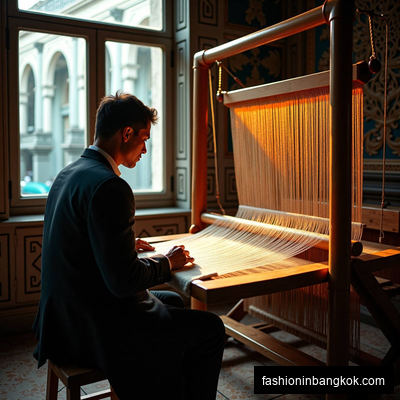
Thai silk's history is deeply intertwined with the culture and traditions of Thailand. For centuries, it has been a symbol of social status and elegance. The production of Thai silk begins with the cultivation of silkworms on mulberry leaves, a process that has been refined over generations. This labor-intensive method ensures the high quality and unique texture of the silk, making it a prized possession. The silk industry significantly contributed to the local economy, providing livelihoods for rural communities. The intricate weaving patterns and designs also tell stories of the Thai people, their beliefs, and their environment, making each piece of fabric a cultural artifact.
One of the pivotal moments in the history of Thai silk was the involvement of Jim Thompson, an American businessman and former architect, who revitalized the Thai silk industry in the mid-20th century. Thompson's fascination with Thai silk led to the establishment of the Thai Silk Company, which played a crucial role in introducing Thai silk to the global market. His efforts not only saved the industry from decline but also ensured that the art of silk weaving was preserved and passed down through generations. Thompson's mysterious disappearance in 1967 left behind a legacy that still influences the Thai silk industry today.
From Traditional Wear to High Fashion
The transition of Thai silk from traditional wear to a staple in high fashion was not an overnight success. It required the vision and creativity of designers who saw the potential of this material beyond its conventional uses. Thai silk's unique qualities, such as its sheen, texture, and durability, made it an attractive option for designers looking to create luxurious and elegant garments. High-profile fashion shows and collaborations with international designers have showcased the versatility of Thai silk, from traditional Thai garments to modern, cutting-edge fashion pieces.
Designers like Thakoon Panichgul and Koi Suwannagate, both of Thai descent, have incorporated Thai silk into their collections, presenting it on global platforms such as New York Fashion Week. Their work has played a significant role in redefining the perception of Thai silk, demonstrating its adaptability to contemporary fashion trends while still honoring its rich heritage. This fusion of tradition and modernity has captured the attention of the fashion world, leading to increased demand for Thai silk among high-end fashion brands and consumers seeking unique, high-quality materials.
Innovation and Sustainability in Silk Production
As the demand for Thai silk in the high fashion industry grows, so does the need for innovation and sustainability in its production. The traditional methods of silk production are labor-intensive and time-consuming, which presents challenges in meeting the fast-paced demands of the fashion industry. However, advancements in technology and sustainable practices are ensuring that Thai silk remains competitive and relevant. Innovations such as eco-friendly dyes and improved weaving techniques are enhancing the quality and appeal of Thai silk, making it more accessible to a broader audience.
Sustainability is another critical factor driving the evolution of Thai silk. With an increasing global focus on ethical and sustainable fashion, the silk industry in Thailand is adopting practices that ensure the well-being of silkworms, the preservation of traditional weaving techniques, and the minimization of environmental impact. These practices not only align with the values of modern consumers but also contribute to the conservation of Thailand's silk weaving heritage.
The Future of Thai Silk in High Fashion
The future of Thai silk in the high fashion industry looks promising, with ongoing collaborations between Thai silk producers, designers, and international fashion brands. The unique characteristics of Thai silk, combined with its rich cultural heritage, make it a valuable and irreplaceable material in the world of fashion. However, the industry must continue to innovate and adapt to the changing trends and demands of the global market. This includes embracing digital technology, exploring new markets, and creating sustainable business models that benefit both the artisans and the environment.
The continued success of Thai silk in the high fashion industry will depend on the collective efforts of all stakeholders, from silk farmers and weavers to designers and consumers. By valuing the tradition, craftsmanship, and sustainability of Thai silk, the fashion industry can ensure its place not just as a luxury material but as a symbol of cultural preservation and innovation.
Conclusion
The evolution of Thai silk from traditional wear to high fashion is a narrative of adaptation, innovation, and perseverance. It highlights the importance of preserving cultural heritage while embracing modernity and change. As Thai silk continues to make its mark on the global fashion stage, it serves as a reminder of the beauty and value of traditional crafts in our contemporary world. The journey of Thai silk is far from over, and its future in the high fashion industry is as vibrant and promising as the fabric itself. For those who cherish the art of fashion, Thai silk offers not just material for clothing but a story woven into the very threads of history.
To ensure the sustainability and continued success of Thai silk, it is crucial for the industry to focus on innovation, collaboration, and ethical practices. By doing so, Thai silk can remain a cherished and esteemed component of high fashion, admired for its quality, beauty, and cultural significance. The story of Thai silk is a testament to the power of tradition and innovation coexisting in harmony, offering endless possibilities for the future of fashion.